2021 deli
2025
Protein demand drives interest in
high-quality burgers, bricks and grinds

Cover Story: The Burger Report 2026

Consumer demand for protein is at an all-time high, leading shoppers to the burger category to meet nutrition and flavor needs.
Associate Group Editor
By Sammy Bredar
Protein demand continues to anchor the meat case in 2026, and burgers remain one of the category’s most resilient and versatile formats.
Despite elevated beef prices and ongoing cattle supply constraints, ground proteins continue to perform well at both retail and foodservice. At the same time, shifting health priorities, leaner blend preferences and formulation pressures are reshaping how processors approach the category.
Grinds continue to outperform
Ground meat remains a retail growth engine. According to Anne-Marie Roerink, principal for 210 Analytics, across 85,000 subcategories tracked by Circana, ground beef ranked number one in absolute dollar growth in both 2024 and 2025. While inflation played a role, ground beef also ranked number three in absolute unit growth in 2025.
Growth extended beyond beef, with ground chicken up 24.9% in pounds, while ground pork rose 3.8% and ground lamb grew 7.9%
Amid high prices, rather than exiting the meat department, consumers recalibrated their spending. That shift helped burgers remain a frequent menu choice across everyday, entertaining and holiday occasions.
Roerink said retailers and packer-processors are leaning into premium-inspired formats such as ribeye, prime rib and brisket burgers. “If consumers can’t afford the steak or roast, or it’s meant for a weekday occasion, they can still enjoy the unique flavor of each cut via burger format,” Roerink said.
However, preformed patties did not grow as aggressively as ground beef overall, reflecting ongoing consumer trade-offs between time savings and price.
Roerink noted that while the meat department drives the majority of burger sales, processors should watch for growth in frozen and deli-prepared segments. Millennials and Gen Z shoppers are increasingly engaged with frozen meat and poultry, and at-home entertaining continues to support multipack and slider formats. Roerink noted that retailers are increasingly experimenting with smash burger patties builds, sliders and hybrid burgers that blend vegetables or alternative proteins to meet both flavor and nutritional goals.
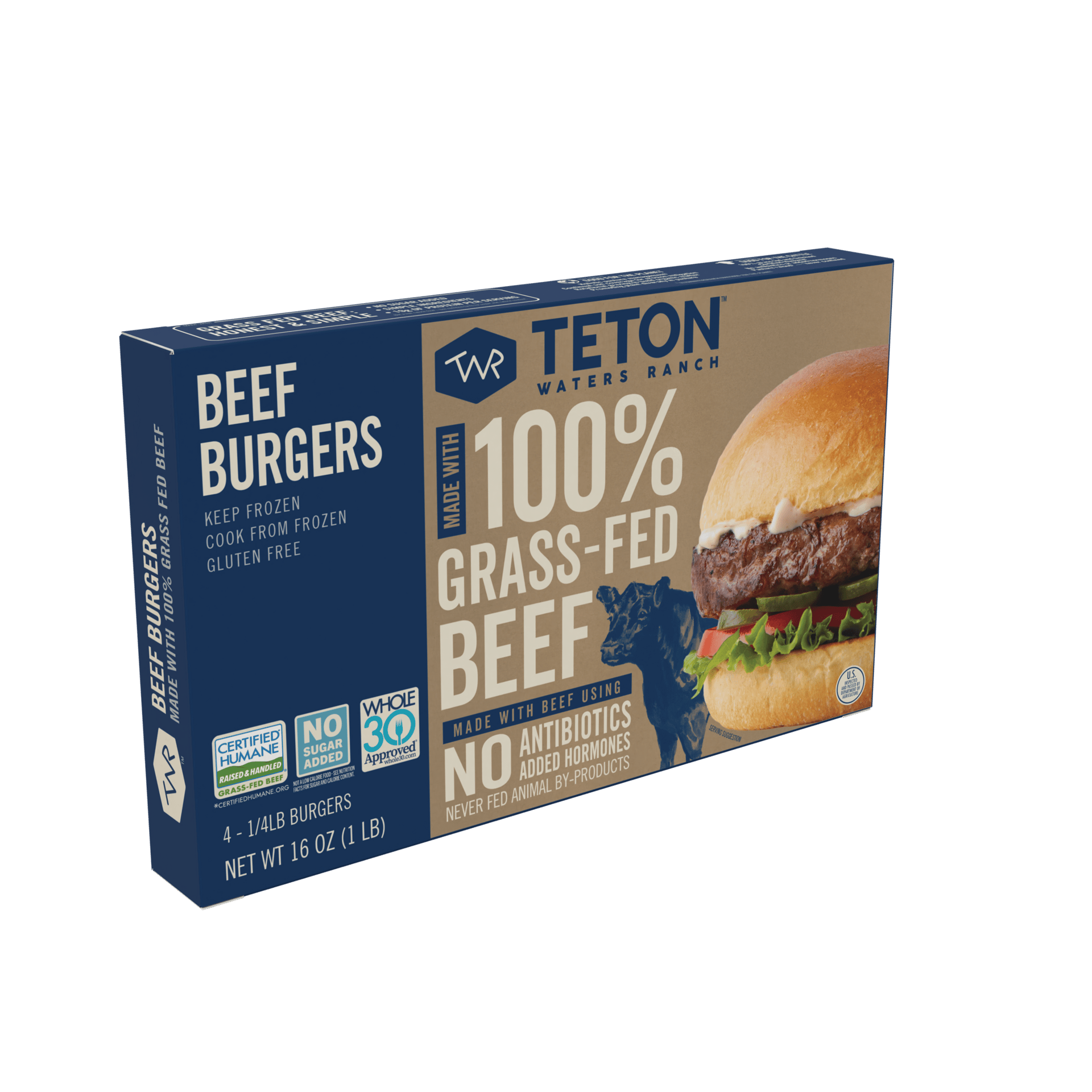
Photo courtesy of Teton Waters Ranch
Health priorities shift blend preferences
Health-driven purchasing behavior is influencing grind composition. Kevin Pallaoro, CEO of Teton Waters Ranch, said demand for high-quality protein continues to rise, fueled in part by consumers using GLP-1 medications who are focused on preventing muscle loss, as well as broader health-conscious shoppers prioritizing nutrient density. He noted that leaner blends, particularly 90/10, are growing significantly faster than traditional 80/20 formulations.
"I hadn't expected this to happen, but what we've seen is that the leaner ground and the leaner burgers are growing at a much faster rate than the fattier," Pallaoro said. "It used to be that our 80-20 blend was the number one item."
Pallaoro said consumers are also increasingly focused on micronutrients, seeking foods that deliver vitamins and minerals in addition to protein. While many consumers have historically relied on supplements to get these micronutrients, the “food as medicine” movement is leading more consumers to get their vitamins and minerals from food. Pallaoro cited grass-fed beef’s naturally favorable Omega-3 to Omega-6 ratio and higher vitamin and mineral density compared with conventional beef.
For processors, the shift toward leaner blends has implications for cook performance, texture management and flavor delivery, reinforcing the need for tight formulation control.
At foodservice, operators are navigating similar pressures to retail, balancing quality, flavor and affordability. Tom Ryan, founder of Smashburger, said diners continue to seek high-quality beef and flavor consistency while also looking for affordability and new taste experiences.
“Affordable, great-tasting burgers are driving the category and represent sizable areas of share growth,” Ryan said. He added that bringing familiar flavors outside traditional builds helps drive trial and incremental demand.
Ryan also noted that operator success depends on execution. “Quality starts with high-grade beef, processed correctly to maximize flavor and juiciness,” supported by consistent execution across buns, cheeses and toppings.
For processors supplying foodservice operations like Smashburger, Ryan’s observations underscore the importance of grind consistency, fat distribution and cook performance. Ryan added that as consumer expectations evolve, operators are increasingly experimenting with multilayered builds, sliders and hybrid burgers that blend vegetables or alternative proteins to meet both flavor and nutritional goals.
Tight cattle supply shapes sourcing strategy
The evolving burger market is unfolding against a historically constrained cattle cycle. The US cattle herd is at an 82-year low following four consecutive years of herd reduction. Pallaoro described legitimate domestic grass-fed supply as “miniscule,” citing strong economic incentives for ranchers to sell cattle to feedlots early for guaranteed returns rather than holding animals for the additional 12 to 18 months required for grass-fed certification.
Pallaoro noted that international sourcing fills part of that gap. He expects continued market segmentation, with premium-focused, health-oriented consumers driving demand for differentiated and lean offerings, while value-focused shoppers remain concentrated in commodity beef and higher-fat cuts.
With cattle costs elevated, formulation strategy is increasingly tied to profitability. “Rising beef costs put direct pressure on producers,” said Brian Metzger, VP USA and Canada for Prosur Inc. “Every point of cook loss or retail shrink or shelf-life issues directly impacts margins.” He noted that tight supply and high raw material costs are making waste reduction a strategic priority for producers.
Processors must balance yield, shelf life and texture performance with growing clean-label expectations and regulatory scrutiny. Metzger said demand is strongest in extended shelf-life solutions for ground beef and phosphate-reduced or phosphate-free systems in patties, driven by cost pressure, tighter regulation and consumers craving simpler, more natural products.
Functional ingredient systems that optimize yield and texture while supporting label strategy are increasingly central to managing both cost and product quality.
Burgers remain one of the most adaptable formats in the meat case. The category in 2026 is defined by dual pressures: sustained protein demand and constrained supply. For processors, the path forward lies in striking a balance—aligning sourcing and formulation with a market that is simultaneously premiumizing and price sensitive.
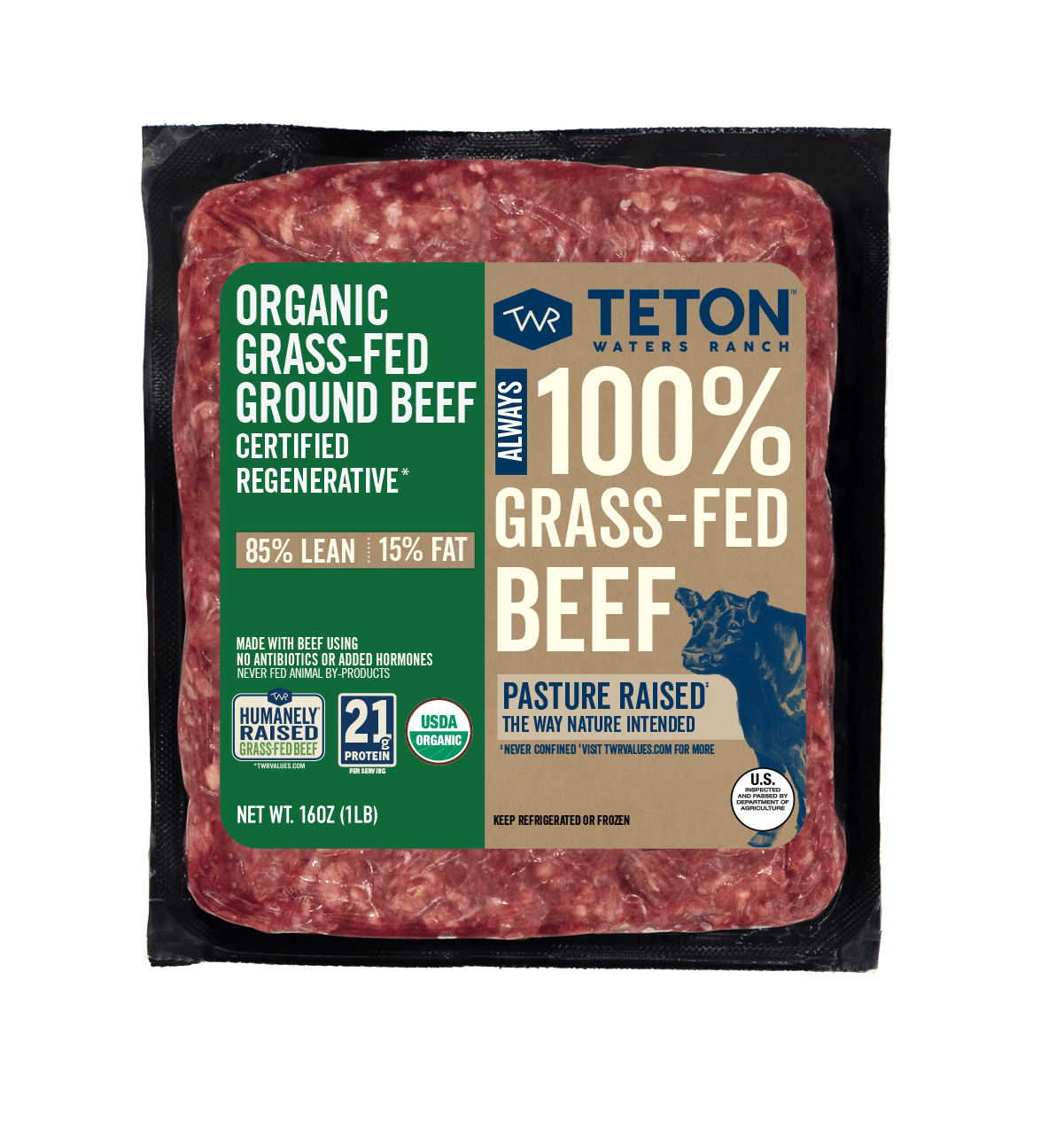
Photo courtesy of Teton Waters Ranch
Opening photo credit: Getty Images / Amax Photo